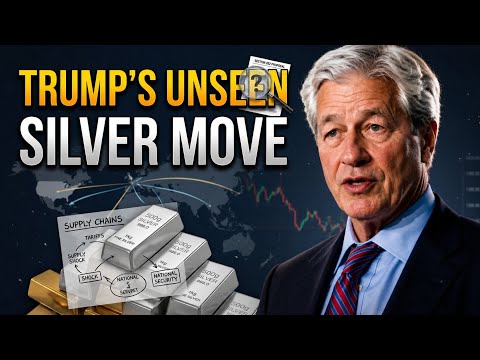
Trump’s Next Move Could Boost Silver — And Most Investors Aren’t Watching It Yet
1 extracted signal · 0 resolved · 1 still active
 Metal Market InsightsIndependent analyst profile
- Source published
- 02 Sept 2026, 21:10 UTC
- Recorded by Tahlil Plus
- 03 Sept 2026, 00:55 UTC
AI-generated source summary
The analysis discusses the current price of silver at $65 per ounce, noting a significant drop from its previous high of over $90 six months ago. It highlights that while silver's price has been declining, other factors have been at play in the background that went unnoticed. The speaker posits that the market is misunderstanding the situation, only seeing half of the picture. The core argument is that a tariff on silver could potentially push its price up, rather than down, and that the sequence of events matters more than the headline price. The video outlines two distinct categories of trade policy: one tied to industrial supply chains and national security, and another built around tariffs that are subject to negotiation and potential legal challenges. It details how silver, unlike gold, received an exemption from the first wave of tariffs, as it is considered a precious metal rather than a pure industrial input. The analysis points out that silver has been formally proposed for inclusion on an expanded critical minerals list. The speaker emphasizes that the market's reaction to news, such as the absence of a tariff, is crucial. The video predicts that if tariffs are imposed, they will likely increase the price of silver due to its already scarce supply and the US's reliance on imports to meet domestic industrial demand. The speaker suggests that this situation could lead to wider premiums on physical silver and push its price upward. The analysis concludes by noting that silver's price has been influenced by demand-side factors and government policy, with potential future tariffs acting as a supply shock. The speaker expresses a desire to see how the market reacts to a potential tariff on silver, especially given its role in industries like solar and electronics, and that such a tariff could impact the existing demand-supply balance. The analysis also touches upon the fact that tariffs in the US do not always survive legal challenges, and the proposed tariffs on silver are not guaranteed to be permanent. The speaker highlights that a tariff on silver would be a 'supply shock' rather than a 'trade tax' because the US cannot produce enough silver domestically to meet its own industrial demand.
AI-generated summary based on the source content.
Signal outcomes at a glance
Tracking LiveSignals in this source

Evidence and evaluation progress
- Original source published
The analyst published the original source item.
- Source recorded by Tahlil Plus
The public source was preserved as the evidence record for this case.
- Market predictions extracted
1 eligible signal linked to this case.
- Source processing completed
Source analysis and structured extraction completed.
- Outcome tracking started
Tahlil Plus began monitoring the extracted predictions.
- Live evaluation in progress
1 signal remains active.
Metal Market Insights
Platform-wide history, separate from this source evaluation.
Tahlil Plus independently records and evaluates public market predictions. Extraction may be AI-assisted and results follow the Tahlil Plus methodology. This information is not financial advice.